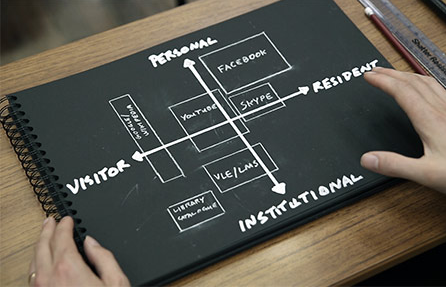
Creative Commons licensed (BY-NC-ND) Flickr photo shared by Catherine Kolodziej (Calyon) As networked individuals each of us makes choices – on a daily and sometimes minute-by-minute basis – about how we share, interact, learn, and teach within and across different online spaces. We do this in the multiple (and often overlapping) contexts within which we…
#EdTechBook launch!
I’ve had the pleasure of witnessing an impressive collaborative authoring project during the past several months. A group of 15 dynamic and talented EdTech professionals — coordinated by the dynamic and talented David Hopkins — has just published The Really Useful #EdTechBook. As described by David, the book is about “the experiences, reflections, hopes, passions,…
Visitors and Residents mapping workshop in Galway
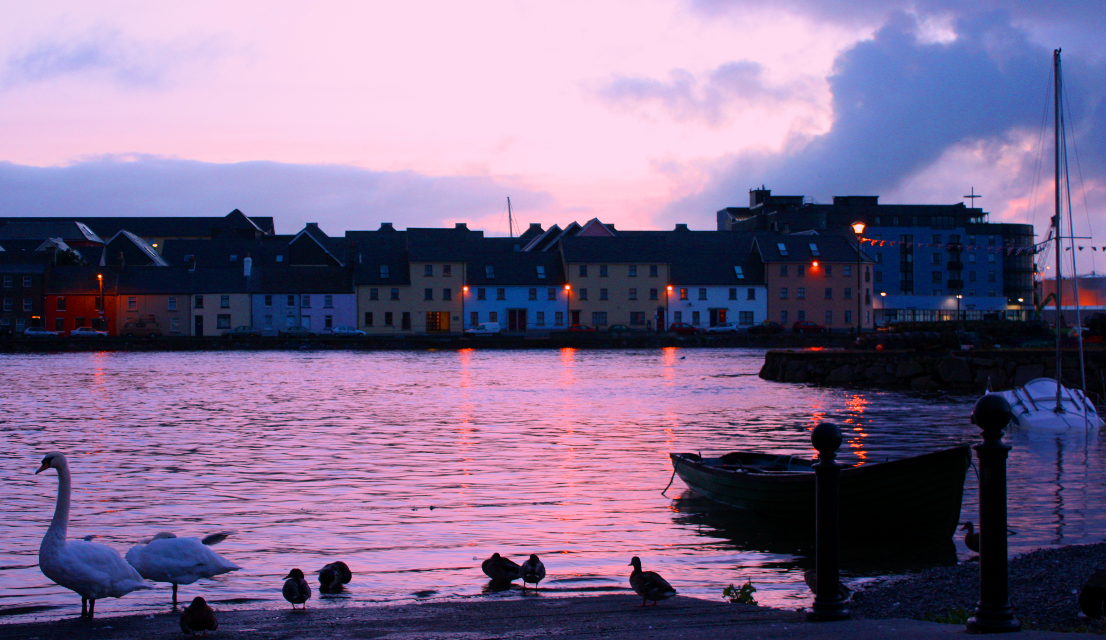
We are delighted to be hosting a visit by Donna Lanclos and David White to the National University of Ireland, Galway on March 13th next. Donna and Dave will co-facilitate a workshop entitled Marvellous Mapping: Reflecting on online identities and practices using Visitors and Residents mapping. In the workshop, we’ll explore the Visitors and Residents…
Reflections on Federated Wiki Happening 2014
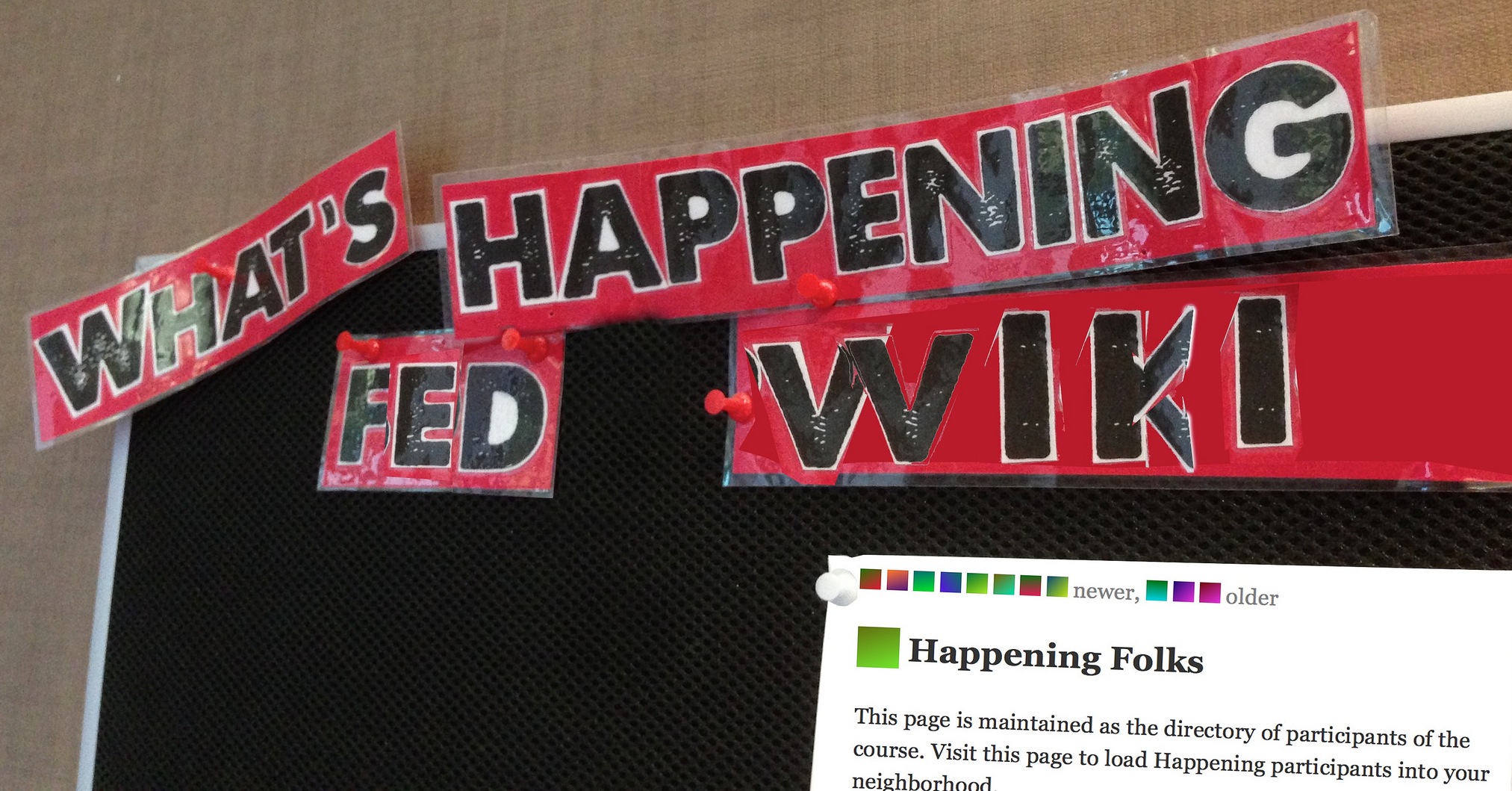
The year 2014 ended, for me, with a 2-week-long dive into Federated Wiki Happening (#FedWikiHappening & #FedWiki). With a full house here at home for the Christmas/New Year holidays (a rare and treasured occurrence these days), throwing my hat into the #FedWikiHappening ring for the last two weeks of December seemed a bit optimistic (reckless?)…
the answer is not silence
The title of this post is from Audrey Watters’s powerful talk: Men Explain Technology to Me: On Gender, Ed-Tech, and the Refusal to Be Silent. If you haven’t read it, please do. For those of us who’ve experienced what Audrey talks about, it is truth, and immensely moving. For those who haven’t experienced what Audrey…
Getting started with Networked Scholars #scholar14
I’ve seen several tweets during the past few weeks about the Networked Scholars course — an open course organised by George Veletsianos. As described on the course’s Canvas site: This 4-week course introduces participants to the tools and practices associated with academics’ participation in online social networks in order to share, reflect upon, critique, improve,…
Workshop: considering openness
I facilitated a workshop with academic staff at GMIT (Galway-Mayo Institute of Technology) last week in which we considered, mostly through group discussion, openness as educators. Carina Ginty invited me to share some of the ideas from Navigating the Marvellous: openness in education as a prompt for the discussion. The following slidedeck summarises some of…
Connecting with #ccourses
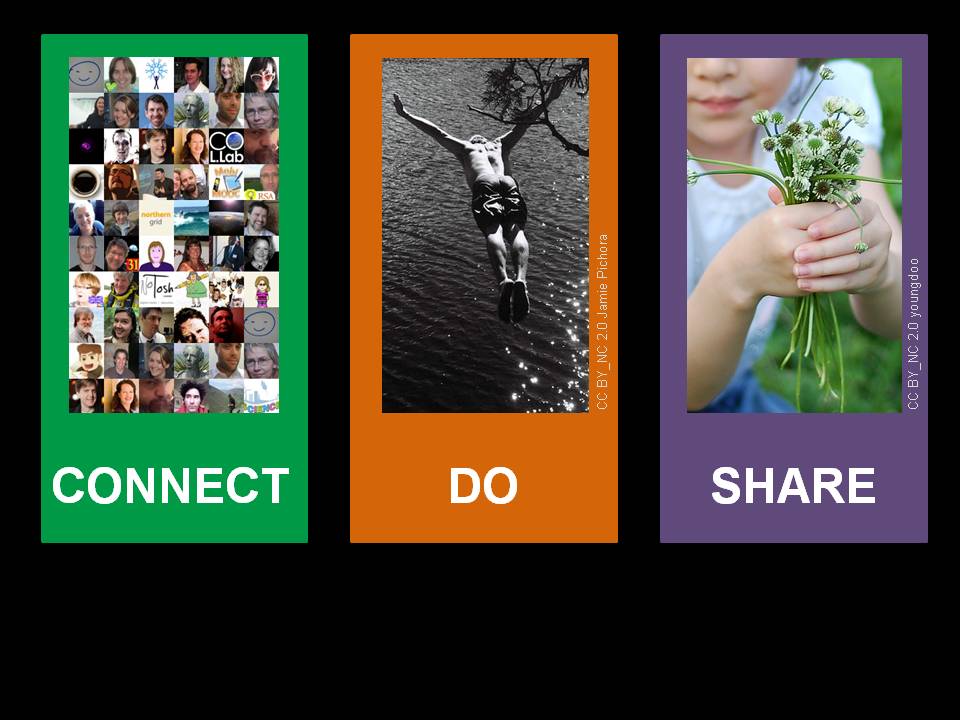
I’m jumping into the Connected Courses adventure — here goes!! #ccourses popped onto my radar during the early summer, through Twitter and Flickr feeds (thanks @heloukee 🙂 ) The blog posts and videos and tweets which followed whetted my appetite further. I identify as an open educator and feel deeply not only about helping my…
Navigating the Marvellous: Openness in Education #altc
For three days last week I participated in #altc (the Association for Learning Technology Conference) at the University of Warwick — attending in person for the first time after participating virtually for several years. It was a joy to meet so many online friends and colleagues for the first time and to take part in such…
A conversation about Third Space, Third Place, and Liminality
At the Networked Learning Conference 2014 in April, I began an interesting conversation with a Twitter-friend, Kathrine Jensen (@kshjensen). I presented a paper at the conference on my ongoing research in the area of networked learning and digital identity, focusing on student-staff interactions in open online spaces. I cited Kris Gutiérrez’s conceptualisation of the Third…